Places of interest:-
Places of interest can be very varied as they can be beautiful, historical, cultural, architectural or connected to nature. Famous monuments can tell you the story of a country, whilst a relaxing garden can provide a nice break from a busy city. You may find a vibrant market, ancient ruins, secluded coast or even a café in your local area to be memorable.
When exploring places of interest you can really get to know more about the character of the area. Whether you are travelling far away or just around your local area, places of interest can really make your day more meaningful.
Places of interest:- What Makes a Place Interesting?
There is no strict definition for a place of interest. Some places will be world famous however some will only be valued by locals. Buildings can be interesting due to their age and design. Landscapes can be interesting due to the wildlife and amazing views. Small museums can be interesting to help keep memories.
Places can become important due to personal experiences. A local beach where your family meet every summer can be much more important to the visitors than a popular resort. Places like libraries, playgrounds and old streets can be important to the community as they are part of the community. Places of interest can be a place where people form relationships, keep traditions and form memories.
Many places of interest will have multiple reasons why they are interesting. A historic town can have unique architecture, a local museum, traditional food and beautiful countryside nearby. National parks may be valued for their beautiful views however can help you to understand how communities have adapted to their environment. The most meaningful places to visit often encourage you to look beyond the obvious and see how the different stories intertwine.
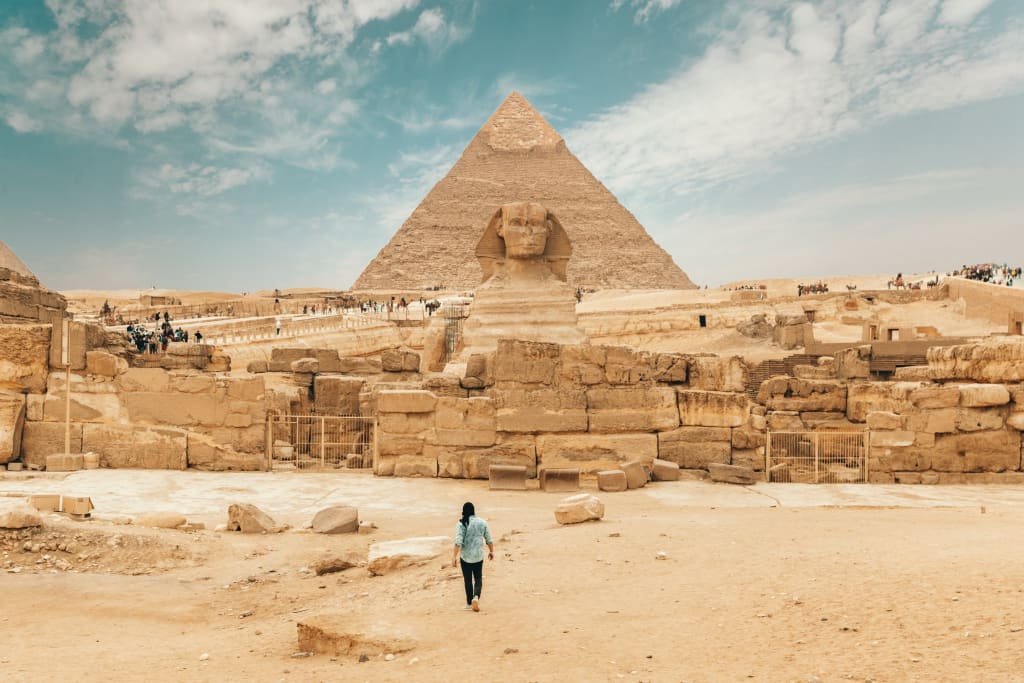
Places of interest:- Historical Places and Monuments
Historical places can give you insight into previous generations. Castles, temples, forts, palaces, archaeological sites and old town centers can give you a tangible link to the past. Historical buildings can give more of an insight into how big, what materials were used and what the setting was like in previous times.
A ruined fortress can show you how strategically important a hill or crossing point on a river was. The thick walls and positioning of the towers can give you an idea of how people would have protected their settlement. An old palace can show you how wealthy and artistic the rulers were however can also make you think about the workers and communities that helped create this wealth.
If the history behind the place is well explained then historical places can become very meaningful. If there is no explanation it can be hard to understand. However adding a guide, display or information board can help you to visualize how the building would have been used. History can rarely be straightforward so you may find that different communities have different opinions about the place. A monument that one community celebrates may be a sign of conflict or loss to another. Thoughtful explanations can give you the opportunity to think about these opinions.
Museums and heritage centers can add to this experience. They will have artefacts, photographs, documents and personal stories to help you connect individual stories to wider historical events. Small local museums can be very valuable as they will often have detailed information about industries, traditions or families that may not be included in national history.
Places of interest:- Nature
Nature can be one of the most powerful places of interest. Mountains, forests, waterfalls, beaches, caves, wetlands, lakes and deserts all have beautiful scenery and can offer great variety. You can go for walks, spot wildlife, swim, climb, take photographs or just relax.
Nature can also help you to understand how life is sustained. A marshland along the coast may seem like a peaceful open space, however, can provide a habitat for local wildlife, protect the coastline and help sustain local livelihoods. Forests aren’t just made up of trees but complex ecosystems. Visiting these places can help you appreciate nature more and want to protect it.
Be mindful when visiting outdoor places. Popular trails can cause erosion. Litter and noise can cause disturbance to local wildlife. Follow any local guidelines, stick to marked trails, do not feed the animals and take your rubbish with you. This will help to keep the landscape preserved for future visitors and those who rely on it.
Sometimes nature doesn’t need to be dramatic to be interesting. A walk by a river, local garden or small patch of woodland can be a lovely place to relax. Often these places are very important for leisure, mental health and wildlife. They can become most apparent when they are at risk or lost.
Places of interest:- Cultural and Community Places
Some places of interest can be best understood by looking at how people use the place. Markets, local streets, places of worship, crafts, food halls, community centers and public squares can all show you how a community express themselves.
A market can give you an insight into how the local area has developed. It can tell you about the local farming industry, how many people have migrated there, family run businesses and local food traditions. The items on sale can show you what crops are grown locally. Talking to the traders can tell you about local traditions and relationships. Taking your time to observe, politely ask questions and try new foods can give you more insight into local life.
Festivals and cultural events can bring a place to life. A town square may seem quite boring however during a certain time of year can become an exciting place with music, dancing, ceremonies and celebrations. This can help communities to connect with their traditions and allow them to adapt.
Be respectful when visiting cultural places. This can include dressing appropriately, asking for permission to take photographs, respecting rules in sacred places and understanding that not all traditions will be demonstrated for tourists. Being curious can be a great attribute however keep humble.
Places of interest:- Architecture
Buildings can be places of interest. Architecture can tell you about the materials, technology, beliefs and aspirations of the people. A wooden house can be designed for a cold climate, a stone bridge can be designed to connect distant communities and a modern public library can be designed to encourage people to come in.
Architecture can often vary between regions. The roof, wall thickness, window positioning and outside layout will often depend on the local climate and materials available. Cultural and religious beliefs can also affect how the building is decorated, how it is orientated and how it is laid out. This can give you a greater understanding of the place.
Modern architecture can still be very interesting. Modern museums, transport hubs, civic buildings and housing can show you how societies have adapted to new technology and lifestyles. Well planned new buildings can help improve accessibility, create friendly public spaces and add to the character of a city. Poorly planned buildings can disrupt existing communities and overshadow cherished heritage.
Places of interest:- Finding Interesting Places Outside of the Main Attractions
Whilst famous landmarks can be impressive, often a place will have a different character. Often visiting local streets, parks, independent stores, libraries and residential areas can give you a more balanced view.
However not every unknown place will be interesting. Local areas are where people live and work so be respectful. Try not to block entrances, be mindful of peoples privacy and support local businesses where possible. Rather than ticking off every corner try to be mindful of what is going on.
Ask locals for recommendations. They may suggest a great viewpoint at a certain time of day, a small gallery, family run restaurant or peaceful walk. These places may not be in guide books however can give you a real feeling of connection. Visiting outside of peak times can make popular places more relaxed.
Places of interest:- Planning Your Visit
Researching before you visit can make your experience more enjoyable. Find out what the opening times are, if there is an entry fee, how accessible it is, how you can get there and if there are any seasonal restrictions. If visiting an outdoor place then research the conditions and ensure you are wearing the correct clothing, bringing water and the right footwear. If visiting a cultural or historical place then researching a little background information can help you notice more details.
However ensure you don’t have too tight a schedule. Trying to fit too many places in can make your visit feel rushed. Picking fewer places to visit can often give you a more in depth experience. Take your time to draw, note down, talk to your guide or just sit and enjoy.
Not all places will be as accessible. Some places may not be as easy for people with mobility, sensory or other needs. Researching what information is available can help you to plan your visit. Many places will have steps, clear signs, seating, sensory information and inclusive services to help you.
Taking photographs can help you to remember your visit however try to be mindful. Take a moment to really take in the place. Sometimes it can be hard to capture the sounds of a waterfall, feel of an old wall, smell of trees after rain or the pace of a market however this can be the most memorable part of your visit.
Places of interest:- Protecting Places
Places of interest can often suffer from many issues. They can become overcrowded, polluted, developed, affected by climate change, neglected and lose their local identity. Historic buildings can become damaged if not carefully maintained. Nature can become damaged by careless visitors. A vibrant local area can become less welcoming to locals due to increased costs and local businesses being pushed out by tourism.
Whilst governments and conservation groups can help to protect these places you can also help by making small changes. Follow any rules, purchase local products, use public transport where possible, avoid single use waste and be polite to locals. Research what issues the place has and support trustworthy preservation.
Responsible tourism can help to make sure both the tourists and local communities benefit. Remember that these places are not just resources but living environments. A memorable visit should leave the place in the same or better condition for the locals and future visitors.
Places of interest:- Conclusion
Places of interest can show you how varied people’s experiences can be and how amazing nature can be. Some places will fascinate you with their grand monuments and amazing landscapes. Whilst others can become meaningful due to everyday activities, local stories and personal memories. The value of a place isn’t dependent on how famous, large or old it is. However it can give you the opportunity to notice, learn and connect.
Visiting places with a curious and respectful attitude can help you to learn more. You can understand how history has shaped the present, how communities have expressed themselves and how people interact with their environment. Whether you are visiting a famous landmark or local area the most rewarding journeys start with being mindful.