What Is Farm-to-Table Technology? Track Food With Better Data
A box of berries may pass through several hands before it reaches a kitchen. Traditional food distribution often offers little detail about its origin, handling, or travel time. Farm-to-table technology changes that by linking farms, distributors, restaurants, retailers, and shoppers through shared digital tools.
What Is Farm-to-Table Technology ? Farm-to-table technology combines software, sensors, data platforms, logistics systems, and traceability records. These tools help food move with better visibility and less waste. They can support local sourcing, but they don’t automatically make food local, organic, or sustainable.
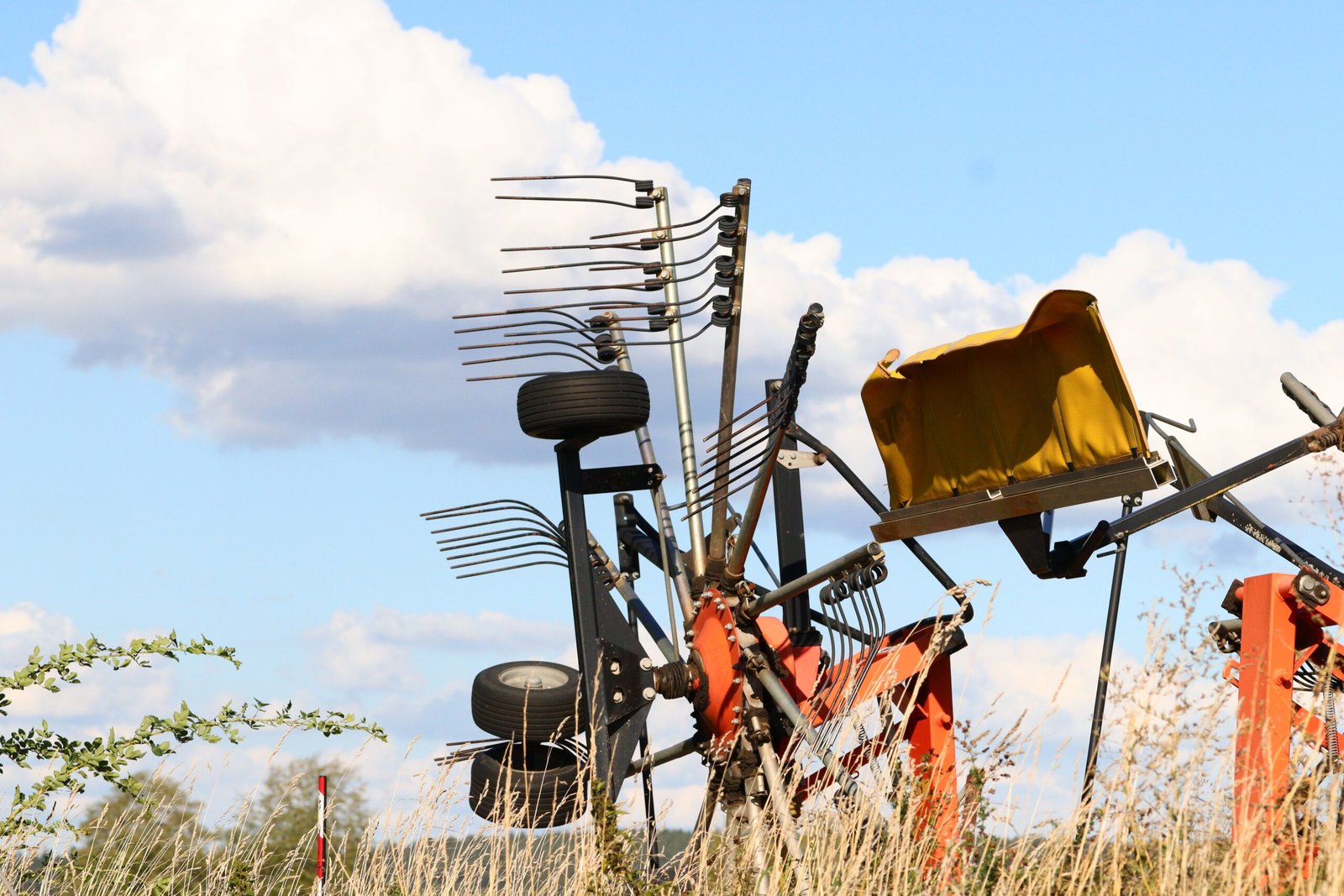
What Is Farm-to-Table Technology.How this Technology Makes Food Traceable
The main goal is to create a digital record for food as it moves through the supply chain. That record can show where food was grown, how it was handled, and where it was sold or served. Better records support food safety, accountability, and customer trust.
What Is Farm-to-Table Technology, means in practice
The term covers many connected tools rather than one product. A farm may use crop software, soil sensors, GPS equipment, and digital harvest records. A retailer may add barcodes, inventory software, QR codes, and electronic invoices.
The farm-to-table movement focuses on direct sourcing and close relationships. Farm-to-table technology provides the systems needed to manage orders, payments, records, storage, and delivery.
What Is Farm-to-Table Technology? How digital records follow food
Data can be captured during planting, production, harvesting, packing, processing, shipping, storage, retail, and food service. Lot numbers link a shipment to a farm or facility. Barcodes, QR codes, RFID tags, GPS data, and digital invoices connect each handoff.
That record helps a buyer identify which farm supplied a product and which stores received it. The U.S. Food and Drug Administration’s Food Traceability Final Rule under FSMA Section 204 adds pressure for more consistent records. As of September 2026, FDA materials list July 20, 2028, as the date before enforcement of the rule’s requirements, following congressional direction.
What Is Farm-to-Table Technology? Why traceability matters
If a food safety problem appears, digital records can help companies find affected lots faster. Better data also supports supplier checks, inventory accuracy, and food safety documentation. It does not replace inspections or good handling practices.
The Technologies Behind Farm-to-Table Technology
Farm-to-table systems work best when separate tools share data. A farm platform, delivery app, and retailer database can each work alone, but connected records reduce repeated entry and missing information.
Farm software and precision agriculture
Farm management software helps producers plan crops, record labor, track inputs, schedule tasks, document harvests, and estimate yields. Precision tools add satellite images, drones, soil sensors, weather stations, and GPS-guided equipment.
These systems can help a grower target irrigation, fertilizer, pest control, and harvest work. The result may be better use of water and farm inputs, though results depend on data quality, local conditions, and proper use.
IoT sensors and cold-chain monitoring
Connected sensors can track temperature, humidity, location, shock, and storage conditions. A sensor inside a truck carrying dairy, seafood, meat, berries, or prepared meals can send an alert when conditions move outside a safe range.
The alert does not prevent spoilage by itself. It gives staff time to inspect the shipment, repair cooling equipment, change the route, or reject unsafe goods. These records can also show whether products stayed within required limits.
Cloud platforms and shared records
Cloud platforms let farms, buyers, carriers, restaurants, and customers access the data meant for them. APIs can connect different software systems, while digital certificates and supplier profiles help verify businesses and product claims.
Blockchain is a shared, tamper-evident record that allows several parties to view consistent transaction data. IBM Food Trust and Walmart’s produce work are often cited examples. A Walmart case study reported that tracing selected mangoes fell from about seven days to 2.2 seconds; that result applies to the company and product tested, not the entire food industry.
Digital Marketplaces Help Local Food Reach More Buyers
Technology can help small and regional farms sell beyond a farm stand. It can also give buyers clearer information about supply, price, and delivery time.
Online marketplaces connect farms and buyers
Business-to-business marketplaces, community-supported agriculture platforms, online farm stores, restaurant ordering portals, and direct-to-consumer shops give producers more sales channels. Product pages may show harvest dates, supply levels, certifications, prices, minimum orders, delivery windows, and producer details.
Preorders give farms a clearer view of demand before harvest. They can reduce guesswork, but platform fees, weak demand, and limited delivery capacity still affect the results.
Delivery tools protect time and freshness
Route planning, fleet software, GPS tracking, delivery scheduling, and digital proof of delivery can reduce office work and missed handoffs. Small orders from many farms remain difficult to coordinate, especially when each buyer wants a different delivery window.
Aggregation hubs, shared cold storage, cooperative distribution, and combined delivery routes can lower that burden. They allow several producers to share transport while keeping products separate and traceable.
Inventory data can reduce food waste
Digital inventory systems track quantities, harvest windows, freshness limits, sales speed, and unsold stock. Buyers can use preorder data, seasonal sales history, and freshness rules to adjust orders.
A business can also create set workflows for discounts, donations, or processing surplus food. The United Nations Environment Programme’s Food Waste Index Report 2024 estimated that about 1.05 billion tonnes of food waste were generated in 2022 across retail, food service, and households. That figure covers those stages and does not directly measure farm-to-table losses.
What Is Farm-to-Table Technology? Consumers Get More Information About Food Origins
Farm-to-table technology changes the buying experience by putting sourcing data near the product. Customers may scan a code at a store, open a product page, or view details in a restaurant app.
QR codes tell a product story
A QR code or digital label may show the farm location, harvest date, pack date, growing method, certification, batch number, and transport details. Digital product passports can collect this information in one online record.
The record is only as complete as the data supplied by each partner. A QR code alone does not prove that a product is authentic, local, ethical, or sustainable.
Transparency still needs checks
Digital records make claims easier to review, but they do not replace audits, certification, lab tests, or government oversight. Incorrect data entry, incomplete records, and misleading claims can still appear in a digital system.
Technology can preserve false information as easily as accurate information when no one checks the source. Consumers should review who made the claim, when the product was harvested or packed, and whether a trusted certifier supports it.
Apps can also filter food by location, season, price, diet, production method, certification, and availability. Clear producer names and supply-chain details give shoppers more useful information than vague labels.
Benefits and Barriers Shape Farm-to-Table Technology
The value of digital tools depends on how well people use them together. Cost, training, internet access, and shared rules can decide whether a system helps or adds work.
Farmers, buyers, and regulators gain useful data
Farmers can reach new buyers, plan production, and review field or sales records. Restaurants and retailers gain better supply forecasts, supplier details, and stock visibility. Consumers gain more information about origin and handling.
Regulators can access clearer records during inspections and recalls. Better planning may reduce rejected shipments, unnecessary transport, excess inventory, and waste, but these outcomes are not automatic.
Cost and data rights remain concerns
Software fees, sensors, setup time, maintenance, and staff training can strain a small farm. Rural broadband may also be weak. Entering data into several systems creates more work and increases errors.
Farmers need clear answers about who owns their data, who can sell it, and whether a platform can lock them into one provider. A practical starting point is one problem, such as lot tracking or inventory. Test it with one product line, train staff, and measure time saved, waste reduced, order accuracy, and customer use.
Shared standards improve connections
A farm may keep detailed records while a carrier uses paper forms or incompatible software. End-to-end visibility breaks when product names, lot numbers, units, or dates do not match.
GS1 standards provide a widely used framework for product identification and supply-chain data exchange. Shared definitions and compatible tools help each participant pass accurate records to the next one.
The Future of Farm-to-Table Technology
New tools will likely add more automation, but they still depend on good records and practical workflows. Smaller producers need affordable systems that work on phones and connect with other platforms.
AI can improve forecasts
AI tools may help predict yields, plan demand, identify crop disease, set prices, optimize routes, and flag unusual temperature or order patterns. Their recommendations can fail when weather shifts, markets change, or farm records contain gaps.
Human review remains essential. A grower or buyer must be able to question the result and act on local knowledge.
Digital twins may show live operations
A digital twin is a changing digital model of a farm, facility, product, or delivery network. It can combine sensor readings, production records, storage data, and outside information.
These systems could help teams test harvest dates, storage limits, delivery plans, and disruption risks. Digital twins remain an emerging application, unlike common tools such as inventory software and GPS tracking.
Mobile-first software, low-cost sensors, cooperative buying, shared delivery platforms, open data standards, and public grants may help more regional farms participate. Fair pricing and clear data rights will matter as much as technical features.
What Is Farm-to-Table Technology? Conclusion: Farm-to-Table Technology Connects Food With Better Information
Farm-to-table technology is the digital infrastructure linking production, traceability, logistics, sales, and customer information. It can clarify food origins, speed up recalls, improve inventory control, connect farms with buyers, and support fresher delivery.
Businesses should start with a clear supply-chain need and choose tools that can share data. Consumers should check the source behind traceability claims and treat digital records as evidence to review, not automatic proof of sustainability. Better information creates accountability when people record it accurately, verify it, and act on what it shows.