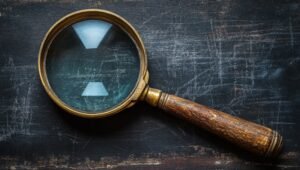
Magnifying glass used for:–
A magnifying glass is a simple optical device that has been used for centuries to enhance our ability to see small details more clearly. Its primary function is to magnify objects or text that are too tiny to be seen comfortably with the naked eye. But beyond its basic purpose, a magnifying glass has a variety of uses in different fields and everyday life. In this article, we will explore what a magnifying glass is, how it works, and the many ways it is used.
what is a magnifying glass used for:-
What Is a Magnifying Glass?
what is a magnifying glass used for:-A magnifying glass is a convex shape lens causes light rays passing through it to converge, which magnifies the appearance of objects viewed through it. The size of the lens and its magnification power can vary, but most common handheld magnifying glasses provide a magnification of about 2x to 10x.
what is a magnifying glass used for :- How Does a Magnifying Glass Work?
The principle behind a magnifying glass is simple yet fascinating. When you look through a convex lens at an object, the lens bends light rays so that they converge and create an enlarged virtual image of the object. This virtual image appears larger to the viewer, making fine details more visible. The degree of magnification depends on the curvature of the lens and the distance between the lens and the object being viewed.
what is a magnifying glass used for :- Uses of a Magnifying Glass
Despite its simplicity, the magnifying glass is a versatile tool with numerous applications across various domains. Here are some of the most common uses:
Reading Small Texts
One of the most familiar uses of a magnifying glass is to aid in reading small print. This includes reading labels, instructions, or fine print on documents, medication bottles, or product packaging. For individuals with vision impairments or age-related decline in eyesight, a magnifying glass can make reading easier and more comfortable.
Examining Fine Details
Collectors of coins, stamps, jewelry, or antiques often use magnifying glasses to examine intricate details, craftsmanship, and authenticity. For example, a jeweler might use a magnifying glass to inspect a gemstone’s facets or to identify flaws. Similarly, a numismatist (coin collector) might scrutinize the fine engravings on a coin.
Scientific and Educational Purposes
In scientific research and education, magnifying glasses are invaluable tools for observing small organisms, plant structures, minerals, and other tiny specimens. Students and scientists use them to study details that are impossible to see with the naked eye, facilitating learning and discovery.
Hobbies and Crafts
Many hobbies benefit from the use of a magnifying glass. Artists might use it for detailed work like miniature painting or model building. Hobbyists who work with electronics often use magnifying glasses to see tiny components and soldering points clearly. Similarly, crafters and watchmakers rely on magnification to perform intricate tasks.
In Medical and Dental Fields
Magnifying glasses are also used in medical and dental practices. Dentists often use magnification to see inside a patient’s mouth more clearly, ensuring precise work. Some medical professionals use magnifying glasses to examine skin conditions, wounds, or small objects embedded in tissues.
Detecting Counterfeits and Authenticity
Magnifying glasses are essential tools for security and verification purposes. They help in detecting counterfeit currency, documents, or identification cards by revealing minute details, security features, or inconsistencies that are not visible to the naked eye.
Jewelry and Gemology
Jewelry experts and gemologists use specialized magnifying glasses, often called loupes, to evaluate the quality, clarity, and authenticity of gemstones and jewelry pieces. These devices can magnify objects up to 30x, revealing inclusions, flaws, or features critical for appraisal.
Forensic and Criminal Investigation
In forensic science, magnifying glasses assist investigators in examining evidence such as fingerprints, hair strands, or fibers. They help uncover details that might be crucial for solving crimes.
what is a magnifying glass used for :- Different Types of Magnifying Devices
While the traditional handheld magnifying glass is the most common, there are various types designed to meet specific needs:
-Magnifying Lenses: Larger lenses mounted on stands or headbands for hands-free use, often used by jewelers or watchmakers.
– Jeweler’s Loupe: A small, high-magnification lens used by jewelers and gemologists.
– Magnifying Lamps: Combine a magnifier with a light source for detailed work.
– Digital Magnifiers: Electronic devices with screens that provide high magnification and can often capture images for later review.
what is a magnifying glass used for:-Advantages and Limitations
The simplicity and affordability of a magnifying glass make it an accessible tool for many people. It is portable, easy to use, and requires no power source. However, it also has limitations. For instance, its magnification power is generally limited compared to microscopes, and it might not be suitable for viewing extremely tiny details. Additionally, the quality of the lens affects clarity and the extent of magnification.
what is a magnifying glass used for :- Conclusion
A magnifying glass may seem like a simple tool, but its usefulness spans across numerous fields and daily activities. From helping individuals read tiny print to assisting scientists in making discoveries, the magnifying glass remains a vital instrument. Its ability to make the invisible visible has made it a timeless aid for curiosity, precision, and clarity. Whether used for practical tasks or scientific exploration, the humble magnifying glass continues to serve as a window into the minute details of our world.